

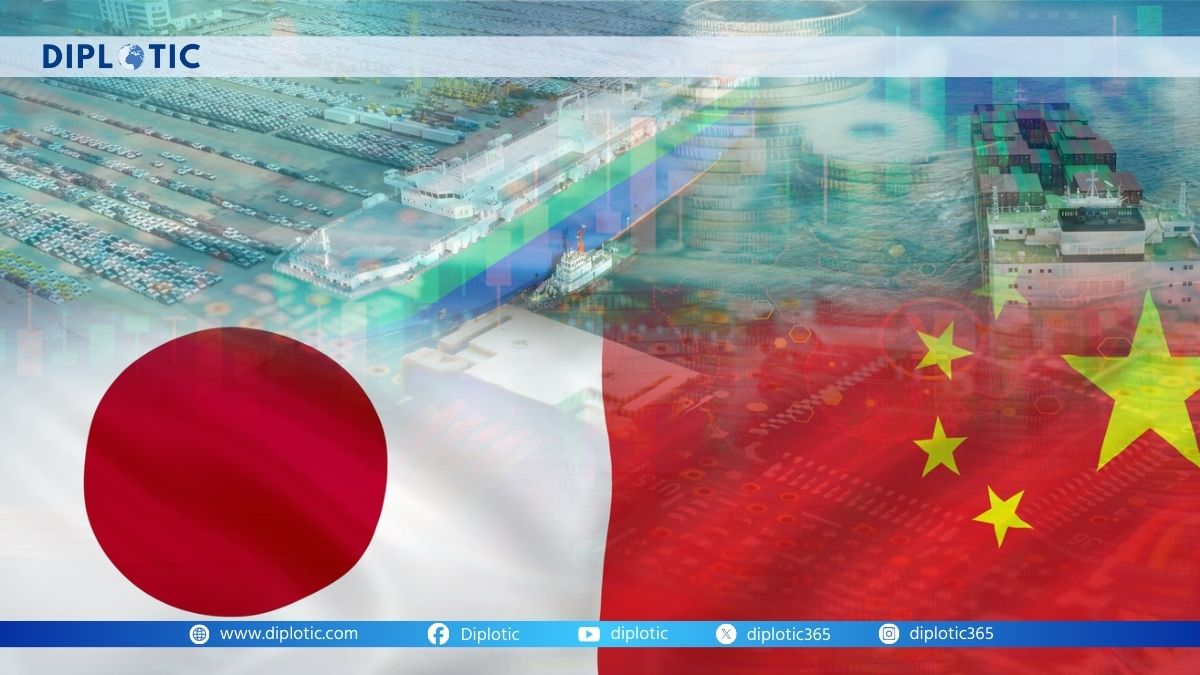
1. A Sudden Diplomatic Shock That Raises Old Questions
The recent tension between China and Japan did not appear out of nowhere. It began with a single statement from Japan’s new Prime Minister, Sanae Takaichi, who said that any attack on Taiwan could be a direct threat to Japan. This remark, made in early November, immediately triggered anger in Beijing. China has long claimed Taiwan as its own territory and views any foreign comment on the matter as interference. What followed was a rapid rise in diplomatic pressure, public warnings, and economic actions aimed at Japan.
China sent a formal note to the United Nations, arguing that it had the right to defend itself if Japan became involved in the Taiwan issue. Its embassy in Tokyo used firm language to warn that China could act militarily without U.N. approval if Japan crossed what Beijing sees as a red line. Japan, for its part, stood by Takaichi’s statement and insisted it reflected Japan’s long-standing security concerns.
This clash is happening at a moment when both countries depend heavily on each other. China is Japan’s largest trading partner. Japan hosts thousands of Chinese visitors and businesses. Both countries benefit from stable ties. Yet this political rift shows how quickly economic comfort can give way to strategic distrust.
The core question emerging now is simple but serious: can China and Japan manage their political disputes without hurting themselves economically? Or will this episode mark a deeper shift in their already fragile relationship? The answers lie not only in government statements but also in the economic actions both sides have begun to take—and the risks they may face if the situation worsens.
2. China’s Economic Pressure: How Far Could It Go?
After Takaichi’s comments, China moved with remarkable speed across several sectors that matter to Japan. It reinstated a ban on Japanese seafood, which had only recently been relaxed. Concerts by Japanese musicians in Beijing were suddenly cancelled. Several Japanese movies scheduled for release in China were postponed. These steps were small on their own, but together they signaled that China was ready to use cultural and economic tools to show displeasure.
The strongest impact came from the travel advisory issued by China, warning its citizens against visiting Japan. Airlines allowed free cancellations, and around one-third of planned Chinese trips to Japan for the rest of the year were reportedly cancelled. For Japan, where Chinese tourists spend heavily on hotels, transport, and shopping, this drop could mean losses of hundreds of millions of dollars.
This is sensitive because tourism from China has played a major role in Japan’s recovery after the pandemic. In recent years, Chinese tourists made up a large share of total visitors and spending. Yet the public in Japan has mixed feelings. Some Japanese communities have expressed fatigue with overcrowding and rising living costs linked to mass tourism. A decline in tourist numbers, for some citizens, may feel like relief rather than loss.
Even so, the economic reality is hard to ignore. Local businesses, especially in retail and hospitality, rely heavily on Chinese customers. For them, China’s travel warnings are not symbolic—they hurt revenues and jobs.
China still has other tools it could use. It could impose new trade investigations, slow down Japanese business operations inside China, or restrict investments. But there are limits. If China goes too far—such as detaining Japanese nationals or targeting large Japanese companies—Japan may respond with countermeasures, which Tokyo has avoided so far.
The current pressure may therefore be better understood as a warning: China wants Tokyo to reconsider its stance on Taiwan. But pressure can cut both ways, and Japan has not shown signs of backing down. Instead, it is now looking for ways to reduce its dependence on China, which may change the long-term balance between the two economies.
3. Japan’s Quiet Shift: De-risking Without Open Confrontation
While Japan has protested China’s recent actions, its most important response is not loud diplomacy but a quiet change in strategy. Japanese leaders are now speeding up their efforts to reduce dependence on China, especially in critical industries. This shift began years ago, but the current dispute has given it fresh urgency.
Japan is exploring new supply-chain routes and encouraging companies to move some production out of China. The government has already offered subsidies to help firms relocate manufacturing to Southeast Asia or back to Japan. Recent export controls on semiconductor technology also reflect Tokyo’s growing caution about how closely it should be tied to China’s technological rise.
The public mood inside Japan may also be shifting. Many Japanese are now watching the dispute more closely, and for some, the uncertainty reinforces the belief that China’s economic actions are unpredictable. This may increase political support for policies that strengthen Japan’s independence in trade, technology, and defense.
The biggest risk Japan faces is that its attempts to diversify may take years to show results. In the short term, it still relies heavily on China. Many major Japanese companies, including automakers and electronics firms, depend on Chinese factories and consumers. Pulling away too quickly could weaken Japan’s own industries.
At the same time, Japan faces rising security concerns. The government recently announced the deployment of missiles closer to Taiwan and has spoken about the need for stronger defense systems. These steps increase Japan’s alignment with the United States, which is also seeking to counter China’s influence in Asia. As U.S. policy becomes more direct in its support for Japan, Tokyo may feel more confident in holding firm against Chinese pressure.
Yet this confidence comes with costs. China views Japan’s growing defense posture as hostile. Any military alignment with the U.S. over Taiwan is especially sensitive for Beijing. The result is a cycle: stronger defense steps by Japan lead to stronger warnings from China, which then strengthen Japan’s sense of threat. Neither side appears ready to step back.
4. The Rare Earth Factor and the Stakes for China
One of China’s strongest sources of leverage is its control over rare earth minerals, which are essential for electronics, electric vehicles, and defense technology. Japan relies heavily on these materials. In 2010, China briefly restricted rare earth exports to Japan during a dispute over the Senkaku/Diaoyu Islands, causing global concern.
Today, Japan has reduced—but not eliminated—its dependence on Chinese rare earths. The share has fallen from around 90 percent in 2010 to about 60 percent now. Tokyo has also signed agreements with the United States to develop new sources of rare earths in the Pacific. Still, China remains the largest global supplier.
If China used rare earth restrictions again, it could severely affect Japan’s high-tech industries. But such a step would carry heavy costs for Beijing as well. China’s strict controls have already drawn international criticism, and another restriction could push more countries to build alternative supply chains that exclude China. This would weaken Beijing’s long-term influence.
For China, the current confrontation is unfolding at a moment when it is trying to present itself as a stable global partner. Beijing has been seeking stronger ties with many regions and promoting itself as a leader in multilateral cooperation. A harsh economic attack on Japan could undermine that image and damage trust with other countries that rely on Chinese trade.
In simple terms, the rare earth option is powerful—but risky. Using it now could turn a bilateral dispute into a global alarm, pushing more countries to rethink their economic links with China. This is one reason many experts believe China will keep this tool in reserve unless the conflict deepens further.
5. Domestic Politics and the Future of the China–Japan Relationship
The dispute is also shaping politics at home for both countries. In Japan, public support for Prime Minister Takaichi has risen since she took office. Her firm stance toward China has helped her appear strong and decisive, especially among voters who see security in the Taiwan Strait as central to Japan’s safety. Recent polls show growing support for Japan’s right to help defend Taiwan if conflict breaks out.
But being a “China hawk” carries risks. Any rise in defense spending requires cuts elsewhere or higher taxes. Stronger military ties with the U.S. could draw Japan deeper into regional tension. And Japan’s economic tools against China are limited. These choices require careful balancing and could become difficult to manage if public opinion shifts or if the opposition challenges the government’s strategy.
For China, meanwhile, the episode may weaken the years of careful diplomacy that aimed to stabilize ties with Japan after repeated ups and downs. Chinese leaders want foreign governments to avoid taking strong positions on Taiwan. Yet their strong response to Japan may have the opposite effect, increasing fear and distrust inside Japan and pushing Tokyo even closer to the United States.
The United States has already reaffirmed its commitment to defend Japan, including in areas disputed with China. Washington’s support gives Japan more confidence, but also places the conflict inside a wider U.S.-China rivalry. This makes the risks larger for both sides.
Looking ahead, the China–Japan relationship may be entering a new phase. For years, analysts described it as “cold politics, hot economics.” Today, it may be shifting toward “cold politics, cooler economics.” Both societies still depend on each other, yet both governments are preparing for a future in which trust is weaker and competition is stronger. The coming months will show whether this rift is temporary or marks the beginning of a deeper divide in East Asia.




