
Executive summary
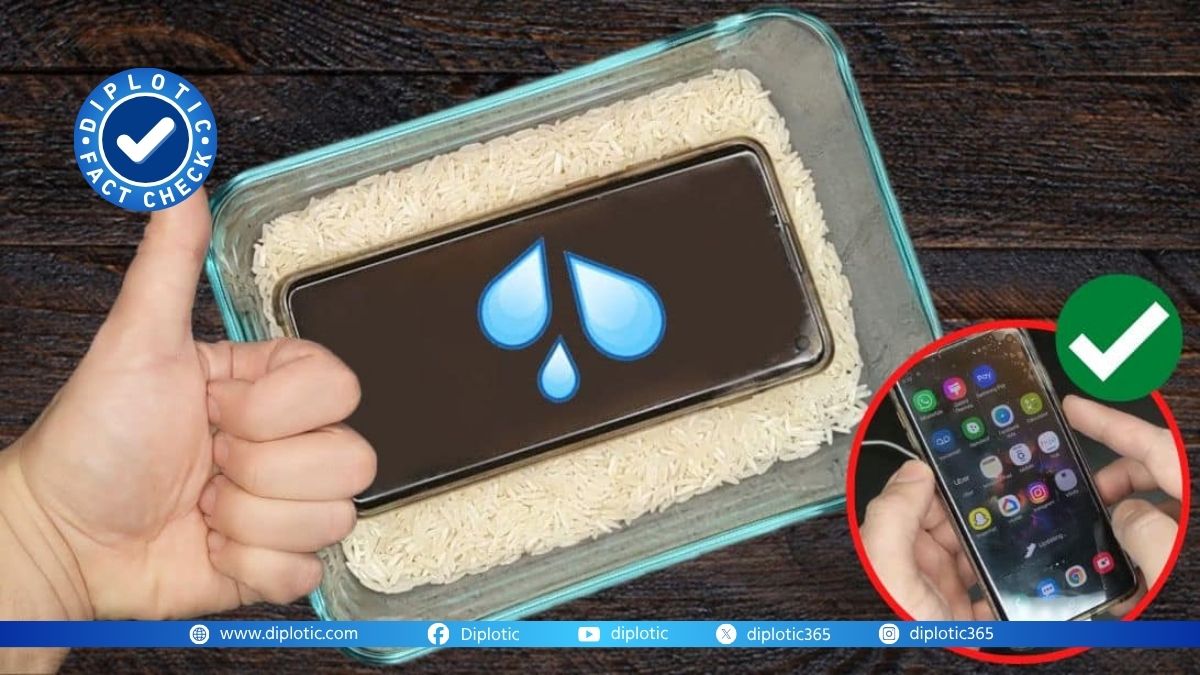
Putting a wet phone in uncooked rice is a widespread home remedy but multiple reputable sources say it’s not proven effective and can introduce new problems; Apple and repair experts recommend leaving the phone to dry in a ventilated area or using better desiccants like silica gel [1] [2] [3]. Tests and expert write‑ups warn rice can leave debris, starch and grains that clog ports and may give a false sense of success while internal corrosion continues [4] [5]
1. The rice story: why the myth took hold
The rice trick became common because rice does absorb moisture and was an accessible “in a pinch” substitute for silica gel packets, with early anecdotes going back to camera‑care and early smartphone forums; Wikipedia notes rice’s long history as a household desiccant but also says the technique “has not been shown to be effective” for water‑damaged phones [1]. Media and personal accounts amplified lucky recoveries into a general rule despite lack of controlled evidence [1].
2. What phone‑makers and repair pros actually advise
Apple and several repair experts advise against dramatic DIY measures like ovens or hair dryers and instead recommend powering off, removing cards/accessories, and allowing the device to dry in a ventilated, dry place—airflow or a fan helps—and to avoid rice specifically because of particle risk [2] [6]. Professional repair resources like iFixit argue that rice often does nothing for internal corrosion and can mask ongoing damage even when a phone appears to work again [5].
3. Evidence and tests: rice vs better desiccants
Independent tests and guides show rice is inferior to purpose‑made desiccants; silica gel packets pull moisture faster and cleanly, while rice, kitty litter and other household items often leave debris and dust that can damage ports and speakers [3] [4] [7]. Gazelle’s testing and reporting compiled in CNET warned that rice and similar products “leave behind debris that could damage your phone” [4].
4. The hazards of using rice: immediate and long‑term
Putting a wet phone in rice can lead to grains or starch getting lodged in charging ports and speaker cavities, which may swell or gum up when wet, and can complicate later repairs; Apple explicitly warns that small particles from rice could damage an iPhone [2] [4]. iFixit adds that rice can create a false sense of security—temporary functionality doesn’t eliminate the risk of oxidized solder joints and progressive corrosion inside the device [5].
5. Practical, evidence‑backed steps to follow after a spill
Experts converge on the same first moves: power off immediately, eject SIM and removable media, wipe external moisture, avoid applying heat, and allow slow drying with airflow; then use silica gel packets in a sealed container if available rather than rice, and seek professional cleaning/repair for significant exposure [2] [3] [7]. If a device was submerged in salt water or contaminated liquid, professional service is more strongly recommended because corrosive residues require internal cleaning (available sources do not mention specific salt‑water protocols beyond recommending professional help).
6. Conflicting advice and why it persists
Some consumer sites and long‑standing forum anecdotes still recommend rice and offer instructions for the method, which fuels continued belief—MoneySuperMarket and older guides at times still present rice as a “solid option” for some users [8]. That contrast with manufacturer guidance and repair‑shop testing creates confusion: convenience and appealing anecdotes keep the myth alive despite professional caution [8] [4].
7. Bottom line for readers: what to do now
Do not treat rice as a cure‑all. Use the immediately advisable steps (power off, remove SIM, dry externally) and prefer silica gel if you want an absorptive aid; avoid putting the phone in rice because it can leave debris and mask internal corrosion, and seek professional inspection if the phone was submerged or shows persistent problems [2] [3] [5]. If you rely on anecdotes that rice “worked,” note those are not controlled evidence and current testing and manufacturer guidance recommend other approaches [1] [4].