

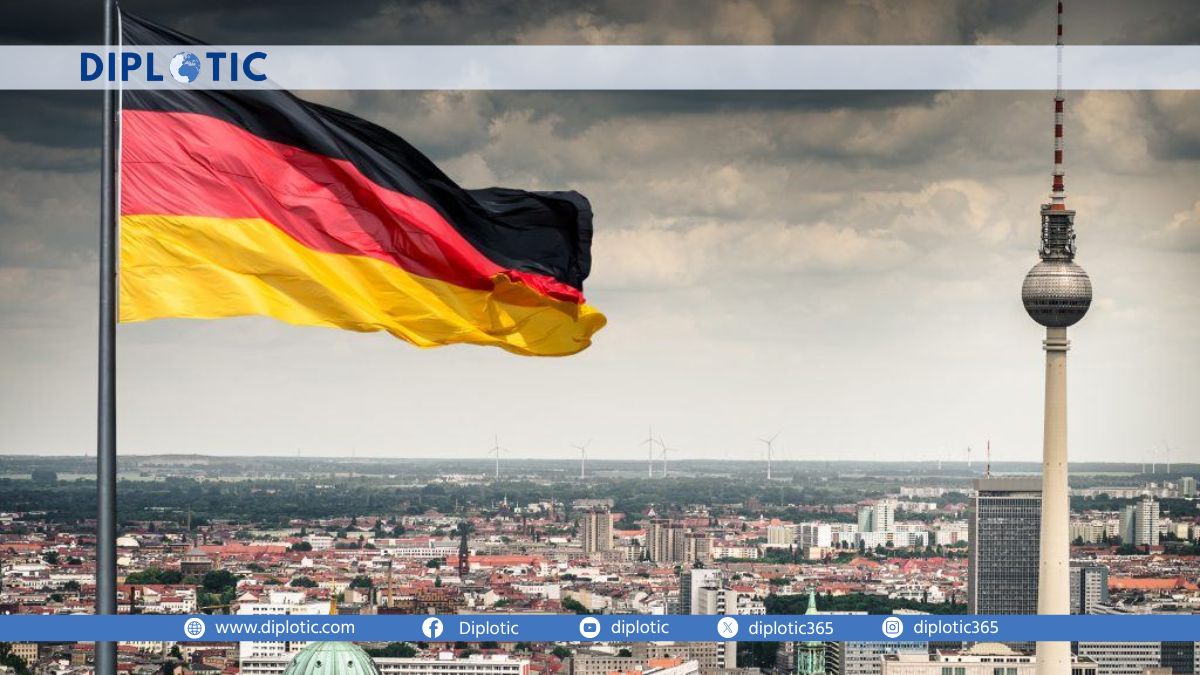
At the close of a whirlwind day in Belém, Brazil, on November 11, 2025, German Chancellor Friedrich Merz boarded his plane home after a five-hour stop at the COP30 climate summit. Back in Berlin a week later, the conservative leader let slip a candid aside that has quietly snowballed into a diplomatic embarrassment. Speaking at a trade conference, Merz joked that when he asked accompanying journalists if any would like to stay in Belém, not a single hand went up. Everyone, he said, was delighted to be back in Germany and to have “left that place.” What may have been intended as light-hearted relief after a grueling domestic schedule landed in Brazil as an insult to a host city that had just pulled off one of the largest UN gatherings in history. The episode highlights a recurring tension: how off-the-cuff remarks by European leaders can ignite sensitivities in the Global South, especially when a city battling poverty is hosting the world’s spotlight on climate justice.
What Exactly Did Merz Say, and How Was It Received in Brazil?
During a November 14 address to the German-Brazilian Economic Meeting in Berlin, Merz used his brief Belém visit as a rhetorical contrast to Germany’s own challenges. After listing pension strains, crumbling infrastructure, and social polarization, he pivoted:
“Last week I asked the journalists traveling with me in Brazil: ‘Who among you would like to stay here?’ No one raised their hand. Everyone was delighted to be back in Germany and to have left that place.”
The room reportedly laughed, but the clip traveled fast across the Atlantic. Belém Mayor Igor Normando called it “arrogance and prejudice,” pointing out that other German delegates had praised the city’s warmth and the summit’s success. The left-leaning portal Diário do Centro do Mundo labeled it an “outrageous comparison,” suggesting Merz implied Brazil was unfit to live in. Social media amplified the moment, with hashtags like #MerzInsultaBelém trending for days.
President Luiz Inácio Lula da Silva responded with trademark humor at a Brasília event on November 18: “If the chancellor had just gone to a bar in Belém, danced a little carimbó, and eaten some duck in tucupi sauce, he would have realized that Berlin doesn’t even offer him 10 percent of the quality of life that Pará and Belém do.” The quip drew cheers and reframed the insult as a missed opportunity to experience authentic Brazilian joy.
In Germany, coverage was muted. Only a handful of outlets noted the remark, often linking it to Merz’s earlier controversy in October when he credited tougher migration policies for improving Germany’s “cityscape” — a comment widely criticized as dog-whistle rhetoric. A government spokesperson quickly clarified that Merz regretted not having time to visit the Amazon rainforest and expressed “great respect” for Brazil’s hosting of COP30.
(Word count: 412)
Why Did Merz’s Comment Hit Such a Raw Nerve in Belém and Beyond?
Belém, capital of Pará state, is a city of stark contrasts. Home to 1.3 million people at the mouth of the Amazon, it boasts stunning colonial architecture, vibrant markets, and the famous Ver-o-Peso waterfront. Yet it also grapples with some of Brazil’s highest poverty rates (around 40 percent live below the line), violent crime, and inadequate infrastructure — challenges the federal government openly acknowledged while preparing for COP30.
Hosting the climate summit was a point of national pride. Brazil spent over $500 million upgrading the city’s convention center, airport, and roads, and deployed 18,000 security personnel. Delegates from 190 countries saw a metropolis striving to showcase Amazonian culture while confronting the very deforestation and inequality the conference addressed. For many Brazilians, Merz’s quip felt like a European leader glancing at the surface — heat, traffic, visible poverty — and dismissing the deeper resilience and hospitality that locals wanted the world to see.
The remark also landed amid heightened Global South sensitivity to perceived condescension from the Global North. Brazil is the world’s twelfth-largest economy, a BRICS founder, and under Lula has reasserted leadership on climate and inequality. Being casually labeled a place Germans were “delighted to leave” echoed older stereotypes of the developing world as merely chaotic or backward — especially painful when the host city had just managed a logistical feat praised by UN Secretary-General António Guterres.
(Word count: 378)
How Serious Is the Diplomatic Fallout, and Can It Be Contained?
So far, the episode remains more embarrassment than crisis. There have been no formal protests, no canceled meetings, and no trade repercussions. Brazil’s Foreign Ministry issued only a mild internal note, and Environment Minister Marina Silva called it “an unfortunate comment from someone who clearly didn’t have time to get to know the city.”
Behind the scenes, however, the incident is being watched closely. Germany is Brazil’s fourth-largest trading partner in Europe, with bilateral trade reaching €32 billion in 2024, and German companies like Volkswagen, Siemens, and BASF employ tens of thousands in Brazil. More importantly, the two countries are negotiating a landmark Mercosur-EU trade deal that Merz’s government has tied to stronger Brazilian deforestation controls — an issue where goodwill matters.
German Environment Minister Carsten Schneider (SPD), who stayed longer in Belém, offered a counter-narrative: “I saw a magnificent city, wonderful people, enormous commitment, but also a great deal of poverty — which makes the achievement of hosting COP30 even more impressive.”
Merz himself has not apologized directly, but aides emphasize his packed schedule — he left Belém after just five hours to return to pension-reform talks — and insist the remark was taken out of context. Lula’s light-hearted retort may have defused the worst of the tension; Brazilian officials privately acknowledge the value of keeping channels open with Europe’s largest economy.
(Word count: 312)
The Belém blunder is unlikely to derail Germany-Brazil relations, but it serves as a reminder of how quickly a throwaway line can undermine carefully built soft power. For a chancellor already navigating domestic controversies over tone and migration rhetoric, it is another self-inflicted bruise. And for Brazil, it reinforces a familiar narrative: even when the Global South hosts the world on the biggest stages, some Northern visitors still see only what they expect to see. A dance in a Belém bar and a plate of duck in tucupi might indeed have told a different story — one of joy, resilience, and a city determined to prove the skeptics wrong.




