

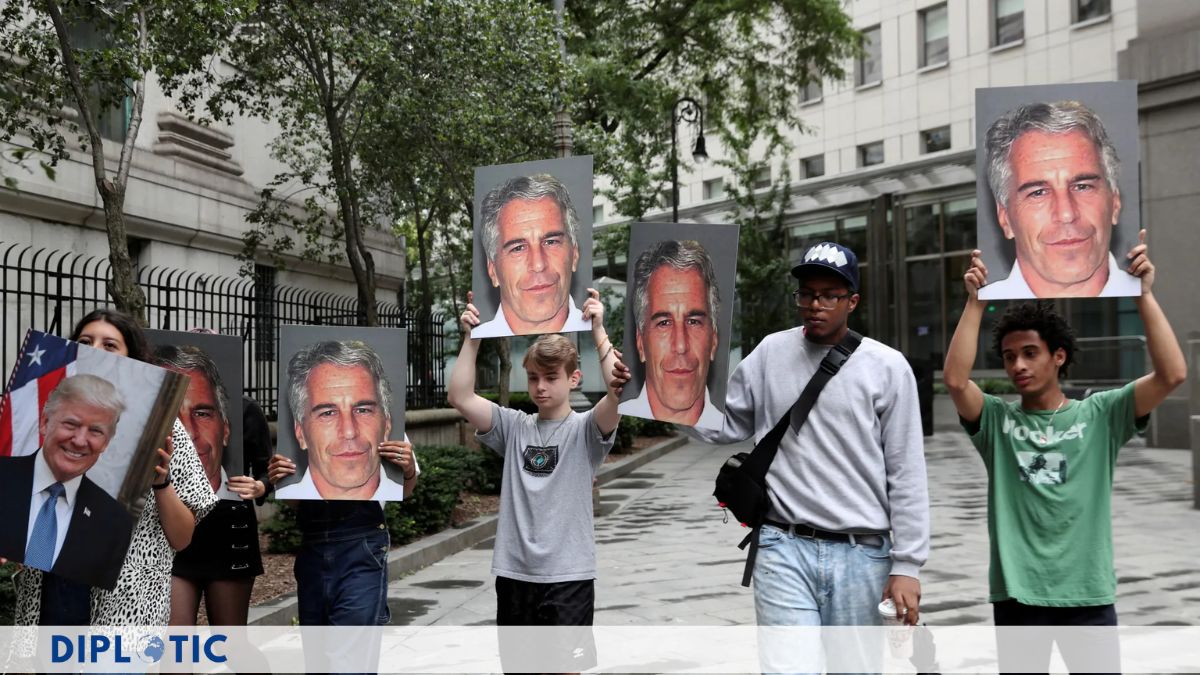
A Document Dump That Reopens Old Questions
When US lawmakers released more than 20,000 pages of documents from Jeffrey Epstein’s estate, the public expected shocking names — but the scale and variety of the people mentioned still surprised many. The files include emails, meeting notes, travel suggestions, and exchanges that show how deeply Epstein was connected across politics, academia, business, and media.
The documents do not prove wrongdoing by any of the individuals named. What they reveal instead is a long record of communications with a man who built his influence by exploiting access, money, and charm. Epstein cultivated a network that stretched from the White House to Silicon Valley, from respected authors to award-winning lawyers, and from billionaires to publicists who managed celebrity reputations.
This release has revived the debate about how Epstein maintained such an unusual level of reach, even after becoming a convicted sex offender. The new material also shows how many well-known figures exchanged emails or met with him in ways that now raise uncomfortable questions, even if their actions were not illegal. The story is less about guilt and more about proximity — and why so many powerful people were willing to stay in touch with a man surrounded by scandal.
The latest names include former US Treasury Secretary Larry Summers, journalist Michael Wolff, former Obama White House counsel Kathryn Ruemmler, billionaire investor Peter Thiel, linguist Noam Chomsky, and Hollywood publicist Peggy Siegal. Each appears in the files for different reasons, revealing a wide range of interactions that hint at how Epstein operated behind the scenes.
Michael Wolff: A Journalist in an Unexpected Email Trail
Perhaps one of the most striking revelations involves Michael Wolff, a US journalist known for his vivid reporting on American power circles. In the documents released by Congress, Wolff appears in several email exchanges with Epstein. These messages show the two men discussing Donald Trump during the period when Trump was running for president.
In one 2015 email, Wolff warns Epstein that CNN planned to question Trump about their relationship. Epstein responded by asking what Trump’s answer should be. Wolff replied, “I think you should let him hang himself,” suggesting that Trump’s own words would cause him trouble. Another message from 2016 shows Wolff offering Epstein an interview opportunity that he said could “finish” Trump shortly before the election.
Wolff has since said publicly that he interviewed Epstein for his books and had long wanted to publish more about Epstein’s political involvement. He also released audio recordings of their conversations before the 2020 election. The emails in the new files match what Wolff has already admitted: he treated Epstein as a source, even though Epstein was a convicted sex offender.
These exchanges do not show illegal activity, but they underline how Epstein inserted himself into political conversations, often through journalists and commentators who needed access to insider information. The Wolff emails reveal how Epstein kept himself relevant by being a useful contact, even to people who later distanced themselves from him.
Larry Summers, Kathryn Ruemmler and the World of Political Influence
Two other names that stand out in the released documents are Larry Summers and Kathryn Ruemmler — both high-level figures in US politics. Their appearances raise questions about why American officials continued to engage with Epstein years after his first conviction. But again, the documents do not show wrongdoing, only communication.
Summers, who served as US Treasury Secretary under Bill Clinton, exchanged emails with Epstein about meetings, introductions, and global contacts. The files show they met for dinners and that Epstein often tried to connect Summers with powerful international figures. One 2018 email shows Epstein offering to arrange a meeting with the “president of united nations,” while Summers, in a 2016 message, asked Epstein not to link him with the Trump camp after the election.
Summers’ spokesperson has repeated past statements saying he regrets any contact with Epstein and ended the relationship years ago. Nothing in the emails indicates criminal activity — instead, they show Epstein acting as a broker, someone who positioned himself between people with influence.
Kathryn Ruemmler, a former Obama White House counsel and now a senior lawyer at Goldman Sachs, also appears in emails from 2018. Her exchanges with Epstein revolve around discussions about Donald Trump’s hush-money payments to adult film actor Stormy Daniels. In one message, Epstein wrote: “You see, I know how dirty donald is.” Goldman Sachs has defended Ruemmler, saying these emails pre-dated her time at the company and did not reflect her professional role.
Ruemmler has previously said she regrets ever knowing Epstein. Her emails show nothing illegal, but they do reveal how Epstein remained connected to high-ranking political figures even late in his life, long after his first criminal conviction.
Peter Thiel, Noam Chomsky and the Strange Reach Into Big Tech and Academia
The newest batch of files also includes names from two very different worlds — tech investment and academic philosophy. Epstein’s communications with billionaire Peter Thiel show an invitation in 2018 to visit Epstein’s private Caribbean island, which has been linked to many of his crimes. Thiel’s team has said he never visited the island and met Epstein only a few times after an introduction through a Silicon Valley executive. Thiel has criticized Epstein publicly and said he regretted not asking more questions when they first met.
Meanwhile, the files contain more emails between Epstein and Noam Chomsky, the world-famous linguist now 96 years old. Their exchanges were mostly academic or personal, though they occasionally discussed Trump’s behavior. Chomsky has previously explained that Epstein helped him move money between accounts and that they met occasionally. He said none of the money involved came from Epstein.
These mentions show how Epstein’s network touched fields far beyond finance and politics. His method was simple: make himself useful, offer access, and maintain relationships with people who, at the time, may not have felt they had anything to lose. The files show how Epstein moved freely between people of influence, even those with little in common.
Peggy Siegal and the Machinery of Reputation
One of the more revealing parts of the document release concerns Hollywood publicist Peggy Siegal, who appears in a 2011 exchange with Epstein. As negative stories about him grew, Epstein asked Siegal to contact media figure Arianna Huffington to discredit Virginia Giuffre — one of Epstein’s most well-known accusers. Siegal replied that she needed Epstein to rewrite his email in clearer grammar before she could consider passing the message along. She now says she never contacted Huffington at all, calling Epstein’s request “ridiculous” and explaining that he often tried to pull people into “his delusional world.”
This exchange shows Epstein attempting to shape public narratives by using media insiders. While Siegal says she ignored the request, his email reflects how he hoped to pressure or persuade others to defend him. With Giuffre’s story now widely believed, the document adds a layer of context to Epstein’s efforts to manipulate the media long before his second arrest.
The Larger Picture: No Proof of Crimes, but a Map of Influence
The newly released documents do not accuse any of the individuals mentioned of wrongdoing. Instead, they show how Epstein built his influence — through access, introductions, information, and the ability to connect powerful individuals with one another.
The release does not answer the biggest questions surrounding Epstein’s operations or the full extent of his network. But it does confirm that his reach was far wider than the small circle often reported in earlier years. From former government officials to tech investors, from celebrated thinkers to political operatives, Epstein managed to insert himself into spaces where few people questioned why he was there.
What the files reveal is not a list of crimes, but a map of proximity — and a reminder of how easily power can normalize contact with someone whose actions were already public and widely known. The document dump will continue to spark debate, not because of confirmed wrongdoing by those named, but because of a far more unsettling truth: Epstein’s world was not an isolated circle. It was intertwined with many others.




