

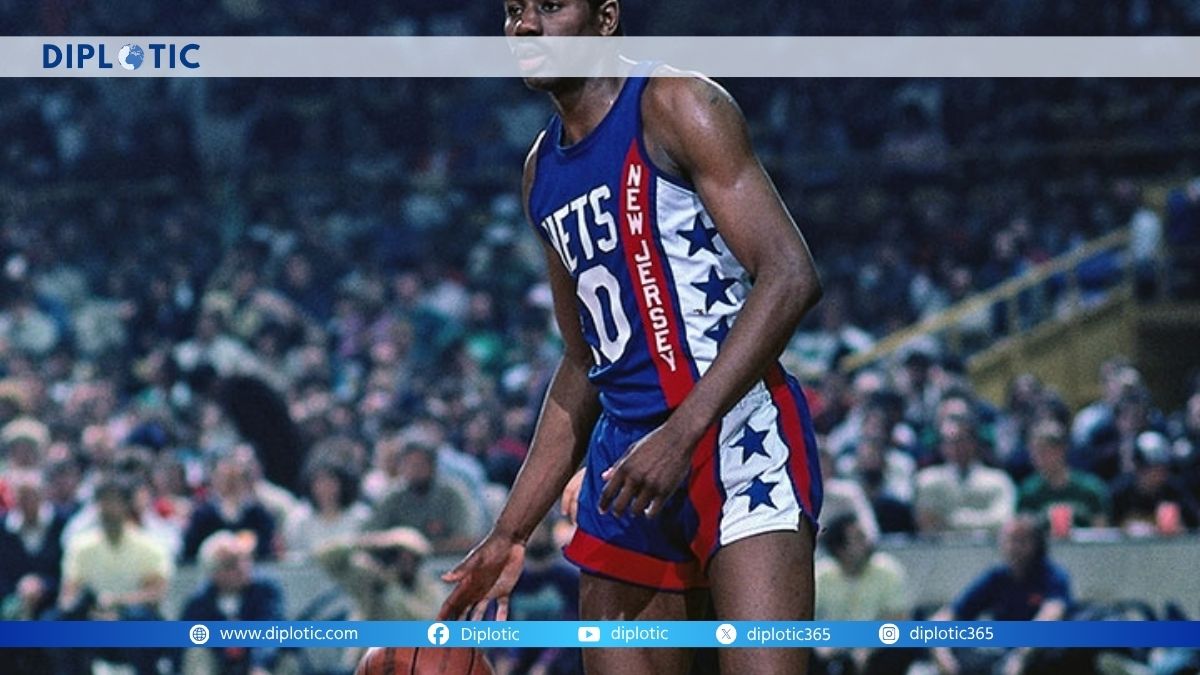
The news of Michael Ray Richardson’s passing marks the end of a life and career that stood out in the history of American basketball. He died on Tuesday at the age of 70, leaving behind a legacy that still carries weight for fans of the New York Knicks and the sport itself. Richardson was not only remembered for his skills, but for a journey filled with remarkable highs, painful setbacks, and a long road to redemption. His story forces a bigger question: how should the world remember a player whose talent was clear, but whose life took an unexpected course?
For many younger fans, Richardson’s name may not be as familiar as today’s stars. But in the late 1970s and early 1980s, he was one of the most exciting and complete players in the league. Teams feared him not just for his scoring, but for his defense. He was quick, he was tough, and he changed games on both ends of the court. The Knicks described him in their statement as one of the fiercest defenders of his era, and the numbers help explain why.
How Did Richardson Rise to Become a Knicks Legend?
Richardson arrived in New York as a top talent. The Knicks selected him fourth overall in the 1978 draft after four strong seasons at the University of Montana. He was known for his athletic control, his defense, and his ability to create plays for teammates. Soon after he entered the league, he earned respect from fans and opponents. His skill made him one of the franchise’s brightest stars at a time when the Knicks were searching for new energy.
By the 1979–80 season, Richardson had turned into the kind of player every team wants—the one who fills every part of the box score. That season, he led the league in both assists and steals, averaging more than ten assists and more than three steals per game. Those numbers made him the first player in NBA history to lead the league in both in the same year. That performance earned him his first All-Star selection, and it set a tone for the rest of his career.
He continued to dominate the defensive end. In 1980 and 1981, Richardson earned First-Team All-Defense honors. Few guards of his era could match his ability to guard the opposing team’s best scorer and still run the offense effectively. Over his career, he averaged 14.8 points, 5.5 rebounds, 7 assists, and 2.6 steals per game—an all-around record that places him among the most complete guards of his generation.
Even today, he remains at the top of several Knicks record lists. He is second all-time in triple-doubles for the franchise, third in total steals, and first in steals per game. These are not records that fade easily. They show how deeply involved he was in the game every night.
Why Did a Hall-of-Fame Career End Too Soon?
Richardson’s story is not simply about the numbers he put on the board. It is also a story about how a career touched greatness but was interrupted before its full potential was reached. His battles with drug issues were well-known around the league, and in 1986 the NBA banned him after three failed drug tests. At that time, the league had not yet developed the kind of support systems that exist today. For many, Richardson became a symbol of how talent and personal struggle can collide.
Two years later, the NBA lifted his ban, giving him the chance to return. But by that time, his path had changed. Instead of coming back to the league, Richardson chose to play overseas. His love for basketball did not end. He continued playing until 2002, when he was 47 years old—well past the age most players retire. His long international career showed that he did not lose skill or passion, even if his time in the NBA ended quicker than it should have.
During the 1980s and early 1990s, Richardson played in several countries, earning respect from fans around the world. Many saw his comeback stories as a sign of resilience and personal growth. For them, his life was not defined by the mistakes he made, but by how he kept going.
Why Does His Legacy Still Matter Today?
The Knicks called Richardson one of the best players to ever wear their uniform. Those who watched him play remember how much excitement he brought to the court. He was fast, unpredictable, and fearless. Even years after he left New York, his name continued to appear in discussions about the franchise’s greatest defenders.
His life also raises bigger lessons. Richardson showed how success can be fragile, how fame cannot protect a player from personal challenges, and how an athlete’s journey can continue even after the spotlight moves away. Many fans believe his basketball talent was strong enough to one day enter the Hall of Fame, had his career taken a different path.
Today, former teammates, coaches, and supporters are sharing memories of him—not just as a player, but as a person who inspired others with his ability to overcome struggles. His legacy is not simple, and it is not perfect. But it is real, and it shaped the history of the New York Knicks in ways that statistics alone cannot explain.
What Should We Remember About Michael Ray Richardson?
Michael Ray Richardson leaves behind a legacy that is bigger than awards, numbers, or news headlines. He was a player who changed games with his defense, a star who brought hope to Madison Square Garden, and a competitor who continued to play long after his time in the NBA ended. His story is powerful because it reminds the sports world that talent and life do not always move in the same direction.
For the Knicks, losing Richardson means losing a part of their history. For fans, it means saying goodbye to a symbol of an era when the franchise was searching for its identity and found a guard who could do everything on the court.
He will be remembered for his steals, his triple-doubles, his All-Star nights, and the energy he brought every time he stepped onto the floor. But he will also be remembered as someone who faced setbacks, fought to rebuild his life, and kept playing the game he loved for decades.
At age 70, his journey has come to an end. Yet the imprint he left on the sport, and on the people who watched him, will not fade soon.




