

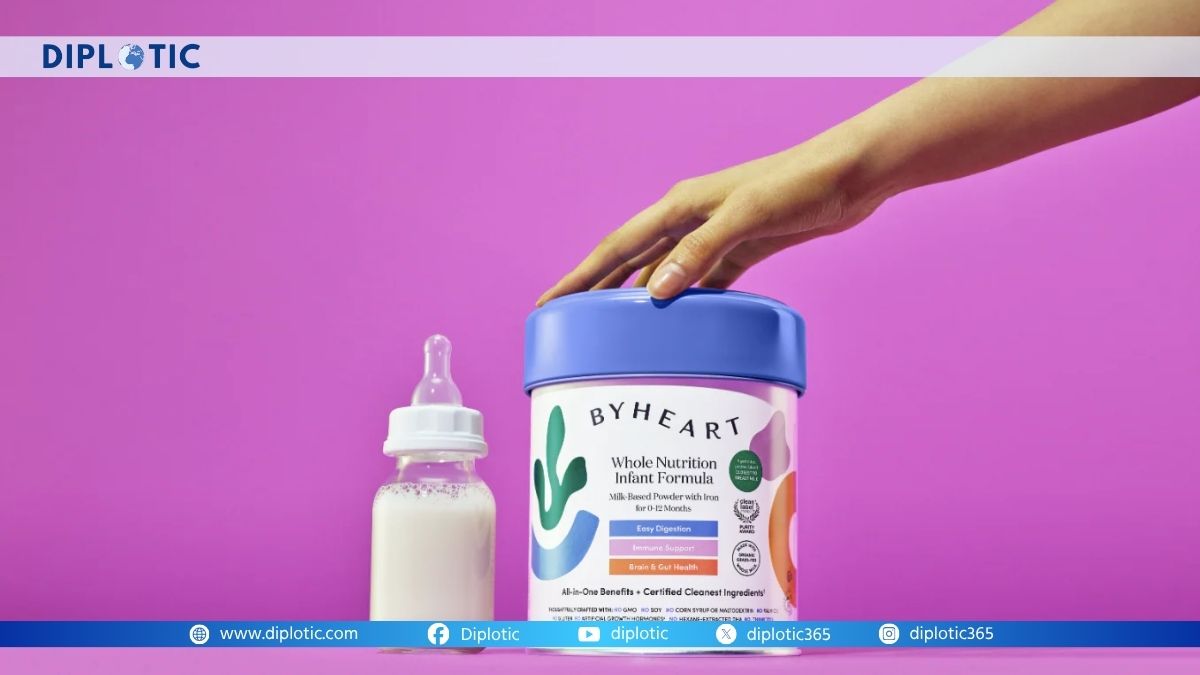
The Sudden Recall That Shocked Parents Nationwide
When a company sells food for newborn babies, trust is everything. On November 11, 2025, parents across the United States woke up to shocking news: ByHeart, a fast-growing organic baby formula manufacturer, announced a nationwide recall of every product it had on the market. Not just a few lots. Not a limited batch. Every single can and pouch in homes and in stores across the country.
Health officials had been tracking an outbreak of infant botulism since August. At least 15 babies across 12 states had been hospitalized, all after consuming ByHeart formula. Even though no deaths were reported, and no unopened can had tested positive for contamination, the company took a sudden and sweeping action. It was unusual, dramatic, and raised a serious question: what does it take for a formula company to recall its entire supply chain?
The announcement came as the FDA confirmed that ByHeart formula was disproportionately linked to sick infants, despite making up only about 1% of total formula sold nationwide. Something was going wrong—and parents wanted answers.
This controversy did not appear out of nowhere. It exposed how fragile the baby formula industry remains after several years of supply chain problems, factory shutdowns, and shortages. The recall may be about one brand, but the bigger story is about trust, safety, and how quickly things can break in a market where even a single mistake has life-or-death consequences.
How a Rare Disease Sparked a High-Risk Investigation
Infant botulism is rare. Most pediatricians may treat only a few cases in their entire careers. Yet, since August, the U.S. Food and Drug Administration began investigating 84 suspected cases—an unusually high number in a short period. Among those cases, 36 babies had consumed infant formula, and more than a third of that group had used ByHeart.
For any formula brand, even one sick child is enough to raise alarms. But federal officials saw a pattern that could not be ignored: a brand with only 1% of national sales was showing up repeatedly among the cases. ByHeart’s leadership tried to defend its record, saying that no unopened product had tested positive for contamination. But one open can linked to a sick child in California did show bacteria that produces the toxin responsible for botulism.
In food safety, even a small sign like that is not taken lightly. Powdered formula is not sterile. It can pick up contamination at many stages—during production, packaging, delivery, or even at home when parents prepare bottles. So health agencies needed to be certain that the problem was not coming from inside the supply chain. FDA inspectors moved in on ByHeart’s canning plant in Portland, Oregon. The company tested every batch with outside labs, opened its sites to regulators, and agreed to remove all products from shelves.
It was a difficult move for a brand that built its image on being safer, cleaner, and more premium than mass-produced formula. But the story did not end with the recall. The real concern was something larger: if even small manufacturers with strict standards can be linked to outbreaks, how secure is the entire infant formula market?
The Bigger Question: Why Is Baby Formula So Vulnerable?
This crisis hit at a sensitive moment. Over the last few years, parents in the United States dealt with repeated formula shortages, factory shutdowns, and long periods when shelves were empty. Many families switched brands repeatedly, hoping to find safe options. ByHeart became popular because it promised organic ingredients and higher safety standards. It sold 200,000 cans of formula each month through major retailers like Walmart, Target, Whole Foods, and pharmacies nationwide.
So how did a trusted brand end up recalling everything it made?
The answer lies in how complicated formula production has become. One mistake in a supply chain can affect thousands of babies. ByHeart produces its formula in Iowa, then ships it to Oregon for canning. Different sites, different labs, and many steps where the powder can be exposed to bacteria. For adults, a small contamination may cause mild sickness. For newborns, especially those under one year old, a tiny amount of bacterial toxin can lead to weak muscles, breathing problems, and even respiratory failure.
Formula companies know this, which is why recalls are supposed to be narrow and targeted. In this case, a full recall suggests that officials either found a root cause they have not yet publicly stated, or they could not confidently rule out contamination anywhere in the chain. Parents were told to stop using the formula immediately and throw it away.
The event highlights an uncomfortable truth: the U.S. baby formula system remains fragile. A small disruption can cause fear, shortage, and panic within hours. Hospitals, pediatricians, and agencies prepared for a new round of searches for safe substitutes. And for parents who trusted a premium, organic brand, the fear was even deeper—if this can happen to ByHeart, who can be trusted?
Inside the Symptoms: How Parents Can Detect Infant Botulism
Botulism is rare, but its symptoms are silent and dangerous. Babies do not run high fevers. They do not show pain. Instead, their muscles begin to weaken. They may stop feeding well, become unusually sleepy, or struggle to control head movement. Some may develop breathing trouble, drooping eyelids, or difficulty swallowing.
The only treatment in the United States is BabyBIG, a specialized medicine made from the plasma of people vaccinated against botulism. It is expensive, limited in supply, and given through IV in hospitals. Every baby in this outbreak ended up hospitalized, which shows how quickly the illness can worsen.
Health officials urged parents to watch for symptoms and get immediate emergency care if they appeared. Many cases remain under investigation, which means the true scope may be even larger. The recall might have prevented further harm, but doctors are still treating infants who fell ill before the warning reached the public.
What Happens Next, and What This Says About Baby Formula Safety
ByHeart insists that protecting babies comes before business—which is why they pulled everything off the shelf. The company is now testing every batch with independent labs and giving full access to federal investigators. But trust, once broken, is hard to rebuild. It may take months before the FDA publishes full findings, and even longer before parents feel confident using the brand again.
The story raises important questions for the entire industry. Why do recalls still happen so often? Why are there still weaknesses in the safety system? And how can parents know the food they give their newborns is truly safe?
This crisis is not only about one company. It is a reminder of how dependent millions of families are on a small handful of formula makers, and how any disruption can quickly become a national scare. Every can of formula represents a promise: that a baby who cannot breastfeed will still receive safe, healthy nutrition. When that promise breaks, even once, the entire system comes under scrutiny.
The ByHeart recall will spark investigations, legal challenges, and scientific reviews. But it also forces a bigger conversation—about transparency, safety standards, and the need for stronger oversight in an industry where mistakes can carry the highest cost.




