

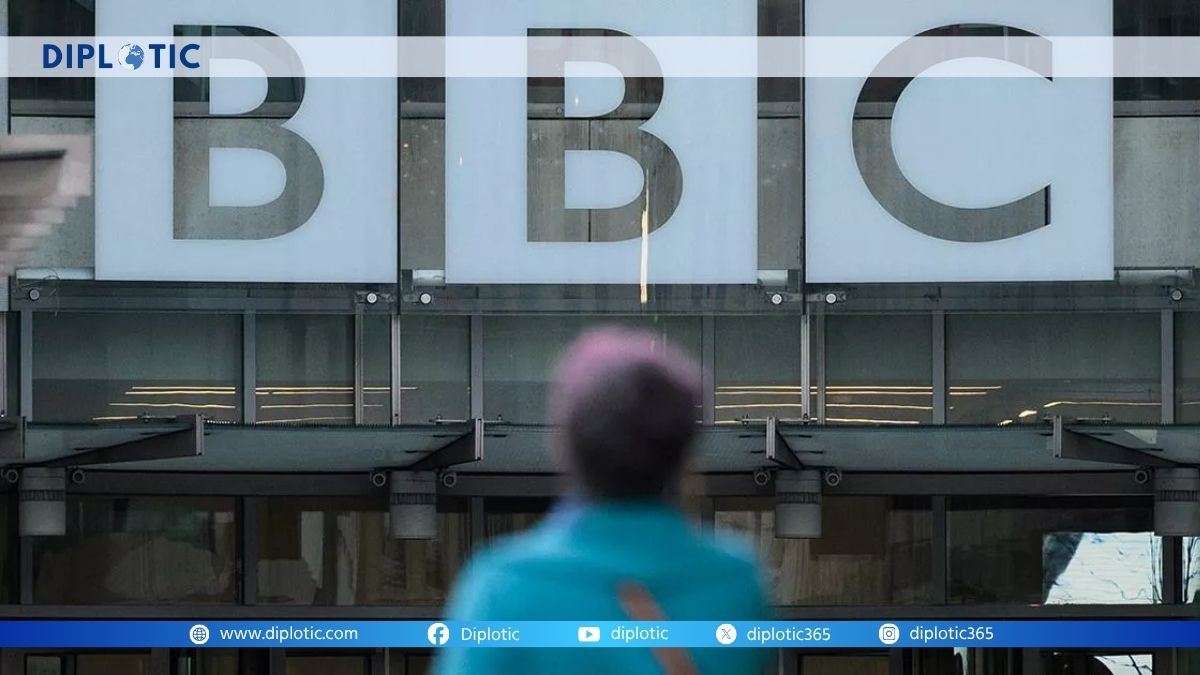
On a quiet Sunday in November 2025, two top BBC bosses quit their jobs. Tim Davie, the director general, and Deborah Turness, head of news, left after a leaked report showed the BBC had changed a speech by former US President Donald Trump. The edit made it look like Trump told people to be violent on January 6, 2021. In truth, he asked for peaceful protest. This mistake hurt the BBC’s name for fair reporting. Funded by every UK home with a TV, the BBC must stay neutral. But this error raised big questions: How did it happen? Why now? And can the BBC fix its problems? Let’s look closer.
What Went Wrong with the Trump Speech Clip?
The trouble started with a BBC Panorama show aired in 2024. It looked back at the January 6 Capitol attack in the US. During the program, a short clip of Trump’s speech played. In the real speech, Trump said: “We’re going to walk down to the Capitol and cheer on our brave senators and congressmen and women. We will peacefully and patriotically make your voices heard.” He did say “fight like hell,” but the full words showed he wanted calm action.
The BBC version cut parts out. The clip joined sentences to sound like Trump said he would march with the crowd and fight. It lasted only seconds, but viewers noticed. Many wrote complaints. Some shared the real speech online. The edit was not meant to lie, insiders say. Editors wanted a fast, strong story. Panorama shows are short and need quick points. But removing words changed the meaning.
This matters because the BBC promises true and fair news. Its rules say clips must keep the speaker’s real intent. The change fed old claims that the BBC leans left. In the UK, people argue over US politics too. Brexit and trade deals make American news important here. A wrong clip can make half the country doubt the whole channel.
The edit also came at a bad time. The US had elections in 2024. Trump was back in the news. Short videos travel fast online. One wrong second can reach millions. The BBC wanted to explain January 6 clearly. Instead, the mistake made people question the whole report. It showed how small cuts can cause big harm. In today’s world, every word counts. Editors face pressure to be fast and clear. But speed must not beat truth. This case asks: Can busy news teams always check every clip twice? The answer shapes trust in all media.
(Word count: 318)
How Did One Leaked Report Force Two Resignations?
A secret report brought everything to light. In early 2025, the BBC hired Michael Prescott to check its news rules. He wrote a 50-page memo. It called the Trump clip “doctored” and broke fairness rules. Prescott said editors talked about the cut but used it anyway. He asked for new training and better checks.
The memo stayed inside until October 2025. Then The Telegraph newspaper got it and printed the story. Headlines spread fast. Politicians spoke up. The government watches the BBC closely because of the license fee. People pay £174.50 a year. If trust falls, they ask why they must pay.
Tim Davie sent an email to all staff on November 10. He said he quit to take full blame. Davie had led the BBC for five years. He grew online shows and cut costs. But critics said he did not fix bias complaints fast enough. Deborah Turness quit hours later. She ran BBC News for three years. She loved the job but said the fight was hurting the company.
Reactions came from all sides. Culture Secretary Lisa Nandy thanked Davie for hard work during tough years. Conservative leader Kemi Badenoch said the quits were good but not enough. She wants big changes so the BBC acts fair to everyone. Trump called the BBC “dishonest” on his social site. His team said the edit tried to hurt the 2020 election.
The leak did more than end jobs. It showed how one report can shake a giant company. Prescott wanted to help, not destroy. But once public, the memo became a weapon. Staff felt shocked. Some worried about their own work. The BBC named temporary leaders and promised a full review. This moment asks: When mistakes hide inside, who speaks first? A brave report can clean house, but it also breaks trust for a while. The BBC now must show the world it learns fast.
(Word count: 302)
Why Does the BBC Face the Same Problems Again and Again?
The BBC has fallen into trouble before. In 2004, a report said the UK government lied about Iraq weapons. The story was partly wrong. Director General Greg Dyke quit after a big inquiry. In 2012, a news show named the wrong man in a child abuse case. George Entwistle left after only 54 days in charge. That year, the Jimmy Savile scandal broke. The BBC had ignored warnings about the star for years. Two news bosses stepped aside.
In 2023, Chairman Richard Sharp quit. He helped a loan for former Prime Minister Boris Johnson and did not tell anyone. The same year, football host Gary Lineker got suspended for criticizing government policy online. Fans protested, and he came back. Each time, the BBC says sorry and promises change. But new problems keep coming.
These old cases share patterns. Rushed stories skip checks. Strong voices inside push one view. Whistleblowers feel scared to speak. The BBC is huge—20,000 workers, many shows, tight budgets. News must be fast, fair, and cheap. That mix is hard. The Trump clip fits the list. Editors wanted impact. They forgot full truth.
Other countries watch too. Public TV in France and Australia gets bias claims. But the BBC fee makes it special. People pay even if they never watch. When trust drops, they ask to stop the fee. This history asks: Can a big old company change its ways? New rules and training help. But real fix needs open talk inside every day. The BBC must prove it each morning, not just after a crisis.
(Word count: 302)
Can New Leaders Save the BBC’s Future?
Now the BBC starts over. Interim bosses run things until a full search. A government review begins in December 2025. It will check money, rules, and staff views. The license fee is safe for now, but talks grow about new ways. Some want ads for fun shows. Others like a tax instead of a fee. Change is slow. The BBC charter lasts until 2027.
Staff hope for clear clip rules and AI checks. Viewers want simple trust. The world needs fair news more than ever. Lies spread fast online. Public channels can fight back with facts. But only if people believe them.
This scandal connects old mistakes to today’s fight. One wrong clip hurt two leaders. It can teach everyone. The BBC must listen, fix, and show results. Trust is like glass—easy to crack, hard to mend. If the next team builds stronger glass, the BBC stays strong for years. The question hangs: Will this pain bring real change, or just new faces in the same chair?
(Word count: 302)
Total word count: 1,224




