Now Afghanistan is governed by the Taliban, which is struggling to provide even the most essential services to its people. Experts warn that if the US permanently stops financial support, it could have serious consequences for ordinary Afghans.
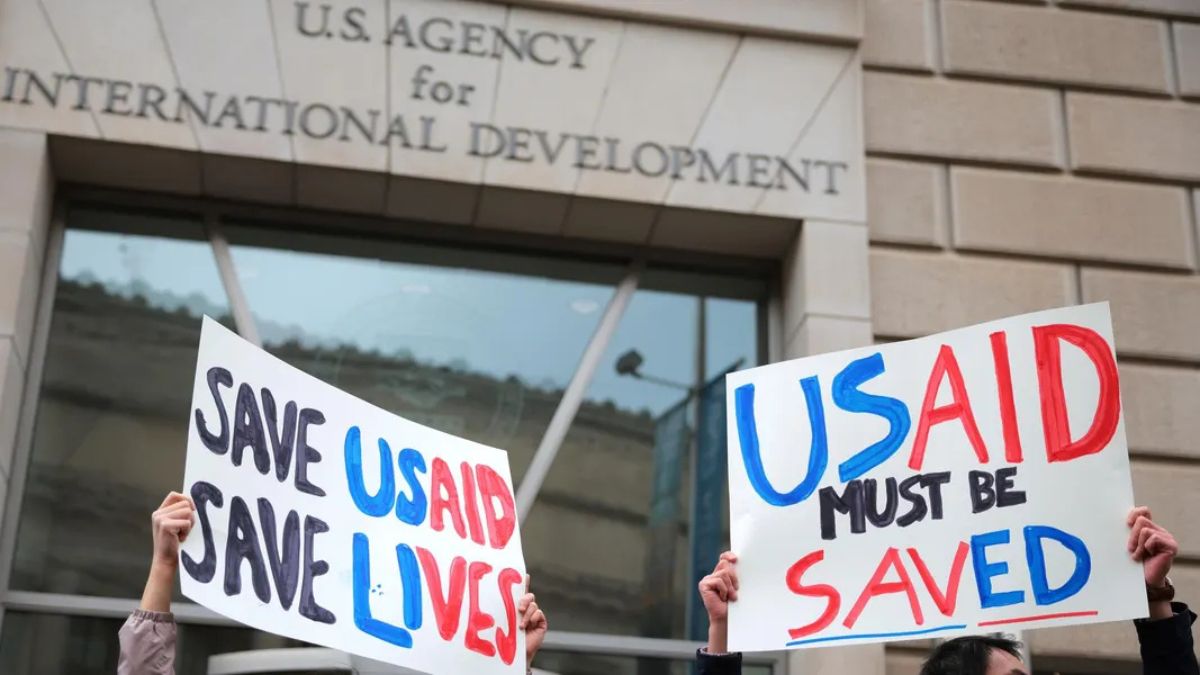
US President Donald Trump’s recent decision to cut off foreign aid and limit USAID activities may significantly impact Afghanistan, a nation heavily reliant on international funding.
Even after withdrawing its troops and personnel in August 2021, the U.S. has remained Afghanistan’s biggest financial contributor. A report from the Special Inspector General for Afghanistan Reconstruction states that since the Taliban took power, the U.S. has allocated or made available over $21 billion in assistance for Afghanistan and Afghan refugees. The U.S. officials emphasize that this aid is meant for the Afghan people and is safeguarded to prevent the Taliban from using the funds.
Taliban Struggling to Hold Power
Despite of these measures the Taliban has indirectly benefited from the influx of U.S. dollars which has helped stabilize Afghanistan’s economy and keep inflation under control. However, the halt in financial aid threatens to interupt this delicate balance.
“The suspension of U.S. aid, including USAID funding, has put the Taliban in a difficult position,” said Ghaus Janbaz, who is a former Afghan diplomat, in an interview with DW. Many analysts believe that foreign assistance, including the hundreds of millions of dollars the U.S. provided annually, has unintentionally helped the Taliban maintain control. Now that funding is being cut off, the Taliban may come under increased pressure to meet international demands or risk losing power due to growing resistance within the country.
“For the past three years, the Taliban have failed to create an economy that can sustain itself,” Janbaz explained. “They have relied entirely on foreign aid.”
Afghan Citizens at Risk
Since returning to power, the Taliban has severely restricted women’s rights, banning them from education and most jobs outside the home. Afghan women are even required to cover their faces in public. These policies have created a major obstacle to the Taliban gaining international recognition, as no country has officially acknowledged them as Afghanistan’s legitimate government.
The Taliban have also failed to form an inclusive government or create any process that allows citizens to participate in decision making. While some believe that increasing pressure on the Taliban is necessary, others caution that cutting aid will only worsen conditions for the Afghan people.
“According to United Nations reports, 26 million people in Afghanistan rely on foreign aid to survive,” said Wazhma Frogh, a women’s rights activist who works with humanitarian groups still operating in the country.
“If organizations lose access to funding, they won’t be able to provide even the most basic support”, she told DW. “The Taliban have no plans to help or develop Afghanistan. The only assistance people receive comes from the UN, international agencies, and Afghan aid groups,” she added. Frogh warned that Trump’s decision to reduce aid could significantly increase suffering for ordinary citizens.
No Clear U.S. Strategy for Afghanistan
Trump’s aid cuts are part of a broader decision to reduce development funding rather than a policy specifically targeting Afghanistan. Currently, the country does not seem to be a priority for Trump’s administration, as global attention remains focused on conflicts in the Middle East and Ukraine.
During a press conference with Israeli Prime Minister Benjamin Netanyahu on February 4, an Afghan journalist asked Trump about his plans for Afghanistan. He responded by saying he couldn’t understand “her beautiful accent,” leaving it unclear whether he genuinely didn’t understand the question or was avoiding answering it.
“I don’t think the Trump administration has a strategy for Afghanistan yet,” Frogh commented.
Despite this, Trump has been vocal about his demands toward the Taliban. He has insisted on the return of military equipment left behind by the U.S. and has raised concerns about Bagram Air Base, claiming it is now under Chinese influence, an allegation the Taliban denies.
Former diplomat Janbaz believes these remarks are more about political rhetoric than an actual strategy for Afghanistan. “We will have to wait and see how Trump approaches Afghanistan but one thing is clear—his policies will be different from the previous administration’s”, he said.
The Uncertain Future of Afghanistan
With U.S. aid suspended and no clear plan from Washington, Afghanistan faces a troubling future. The Taliban’s inability to create a functioning economy combined with worsening conditions for ordinary people could lead to a deeper crisis. While international pressure may force the Taliban to make changes, the Afghan people will bear the brunt of these decisions.
If humanitarian organizations lose access to funding, millions could face starvation and a lack of essential services. As Afghanistan remains isolated from the global community, the suspension of U.S. aid could push the country further into instability.